Smoke Detector Testing Methods
Professional smoke detector testing is more than a safety check; it is a critical requirement for BS 5839 compliance. To ensure detection systems respond to real fire conditions, engineers must move beyond the "test button" and perform functional testing. Using a professional fire alarm testing kit allows for controlled stimulus without contaminating sensing chambers or damaging devices.
In commercial and residential environments, routine detector testing supports system reliability, helps identify faults early and ensures fire detection systems perform as intended during an emergency.
If you require tips on how to test a heat alarm instead of a smoke alarm, we recomend you check out our Heat detector testing guiding
Why Functional Testing Matters
BS 5839-1 requires that smoke detectors be tested with a method that introduces smoke into the sensing chamber. This is where the Solo 330 Aerosol Smoke Dispenser becomes the essential tool for any fire engineer.
Why the Solo 330 is the Industry Standard:
-
Contamination Control: Its patented design ensures aerosol is only released when the cup is sealed against the detector, preventing "oily" residue build-up.
-
Efficiency: It conserves aerosol, providing more tests per canister compared to improvised methods.
-
Versatility: While the Solo 330 fits detectors up to 100mm, the larger Solo 332 is available for high-profile or larger-diameter devices.
For organisations responsible for life safety systems, smoke detector testing forms a core part of planned fire alarm maintenance and inspection regimes.
For a structured step-by-step reference, download our Smoke Detector Testing Checklist (PDF) to support compliant inspection and maintenance procedures.
Professional Smoke Detector Testing Methods
There are several recognised methods used to test smoke detectors safely and effectively. The appropriate method depends on detector type, system configuration and installation environment.
Test Button Verification
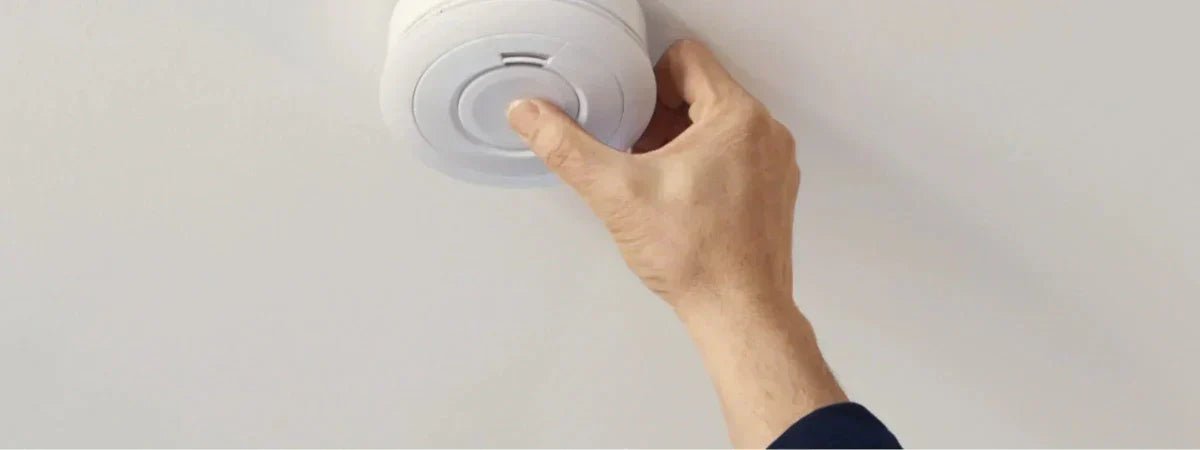
Most detectors include a built-in test button designed to confirm the alarm sounder and electrical functionality. This method confirms basic operation but does not verify sensor performance or smoke response.
Aerosol Smoke Testing
The most common and effective method involves a smoke detector tester aerosol dispenser. This replicates real fire conditions by delivering a controlled burst of synthetic smoke (such as Solo A10, or Solo A5) directly to the sensor.
Aerosol smoke testing:
-
Replicates real detection conditions
-
Activates the detector without contamination
-
Supports accurate system verification
-
Forms part of professional fire alarm testing kit use
This is widely used during maintenance, commissioning and routine inspections.
Electronic Smoke Generation
For engineers moving away from aerosols, the Solo 365 & Testifire XTR2 devices offers an electronic alternative. However, the Solo 330 remains the most popular choice for general maintenance due to its lightweight mechanical design and lower initial cost.
Common Smoke Detector Issues Found During Testing
During routine smoke detector testing, engineers frequently identify faults and performance issues that may not be visible during normal operation. Identifying these early helps prevent system failure and supports reliable fire detection.
Common issues include:
-
Contaminated sensing chambers caused by dust, insects or airborne particles
-
Ageing detectors that respond slower or fail to activate under controlled stimulus
-
Incorrect detector placement affecting airflow and smoke entry
-
Electrical or wiring faults impacting signal transmission to the control panel
-
Environmental interference such as humidity, temperature variation or air movement
Identifying these issues early is only possible when using a telescopic access pole and a proper dispenser head, allowing the engineer to see the detector's LED response at eye level.
Equipment Checklist: What You Need for Compliance
Professional smoke detector testing requires purpose-built tools that deliver controlled stimulus and safe access to installed devices.
Common equipment includes:
-
The Dispenser: Solo 330 for standard smoke and CO testing.
-
The Stimulus: Solo A5 Smoke Aerosol (UL certified).
-
The Access: Solo 100 Telescopic Pole to reach heights up to 6 meters safely.
-
The Multi-Tool: For complex sites, a Testifire XTR2 allows for smoke and heat testing in a single head.
These tools allow engineers to activate detectors safely, maintain device integrity and ensure consistent testing results across multiple sites.
Modular systems such as Solo smoke detector testing kits are widely used by engineers, allowing interchangeable poles, heads and stimulus tools to be configured according to site requirements. Whilst Integrated solutions such as Testifire testing kits & Testifire XTR2 test kits combine smoke and heat stimulus into a single device, supporting efficient multi-sensor detector testing and consistent results across different environments.
BS 5839 and Smoke Detector Testing
In the UK, smoke detector testing forms part of wider fire alarm inspection and maintenance guidance under BS 5839.
Testing recommendations typically include:
-
Regular user checks to confirm alarm operation
-
Periodic inspection and servicing by competent professionals
-
Functional testing of detectors using appropriate stimulus
-
Documentation of maintenance and inspection activity
Following recognised standards helps ensure systems remain operational, compliant and capable of providing early warning when required.
Professional vs Improvised Smoke Alarm Testing
Improvised testing methods, such as using naked flames or unapproved substances, can damage detectors, contaminate sensing chambers and create unnecessary system faults.
Professional smoke detector testing methods use:
-
Controlled aerosol stimulus
-
Purpose-built testing equipment
-
Safe access tools
-
Defined maintenance procedures
This ensures detectors are tested accurately without compromising long-term reliability.
Who Carries Out Professional Smoke Detector Testing?
Smoke detector testing in commercial and regulated environments is typically carried out by:
-
Fire alarm engineers
-
Maintenance contractors
-
Facilities management teams
-
Fire safety professionals
These individuals use specialist fire alarm testing equipment to carry out inspections safely and in accordance with maintenance requirements.
How Smoke Detector Testing Supports Fire Alarm Maintenance
Routine smoke detector testing forms part of wider fire alarm maintenance programmes, supporting:
-
Planned preventative maintenance schedules
-
System commissioning
-
Compliance inspections
-
Fault diagnosis
-
Long-term reliability of life safety systems
Testing also helps ensure equipment continues to operate correctly in high-risk environments such as commercial premises, industrial sites and residential buildings.
Supporting Professional Fire Alarm Testing Equipment
Smoke detector testing sits within the broader ecosystem of fire alarm testing equipment used by engineers and maintenance teams.
This includes:
-
Modular detector testing systems
-
Integrated multi-stimulus testing devices
-
Smoke and heat activation tools
-
Access equipment and consumables
Together, these tools allow technicians to carry out accurate, repeatable testing across multiple installations while maintaining system integrity.
Conclusion
Professional smoke detector testing is essential for maintaining operational fire detection systems and ensuring reliable performance during emergencies. By using approved testing methods and specialist equipment, engineers can verify detector activation, support compliance and protect long-term system reliability.
As part of wider fire alarm maintenance, smoke detector testing plays a vital role in safeguarding occupants, reducing risk and ensuring fire safety systems perform as intended when needed most.