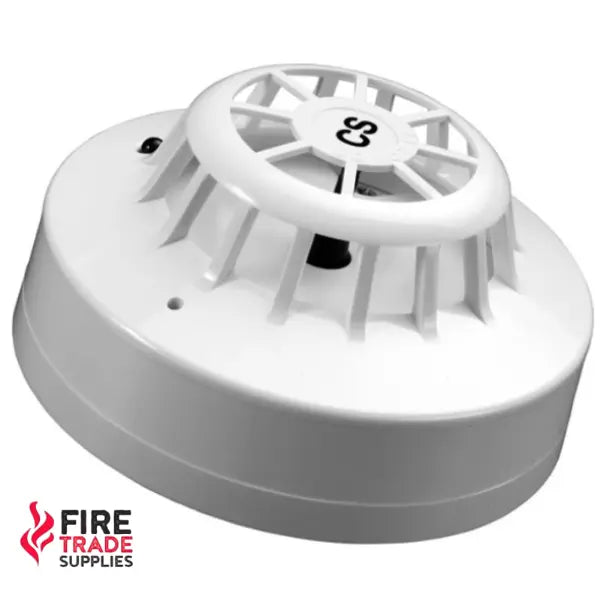
Welcome to the Apollo Series 65 Smoke & Heat Detectors Collection—your definitive guide to one of the most trusted and versatile ranges of fire detection equipment in the UK market.
At Fire Trade Supplies, we proudly stock the full spectrum of Apollo Series 65 detectors, ensuring you're protected with technology that complies with rigorous fire safety standards.
Introduction: Apollo Series 65 Overview
The Apollo Series 65 is an industry-leading family of conventional fire detection devices, designed for reliable performance across residential, commercial, and industrial applications. As a staple in the Apollo 65 series, these detectors offer:
Proven compatibility with most conventional fire panels
Compliance with EN54-5 (heat detectors) and EN54-7 (smoke detectors)
Wide operating voltage range and environmental resilience
Whether you're upgrading an existing system or specifying detectors for a new installation, the Apollo s65 product line offers dependable options.
"Apollo detectors are synonymous with trusted performance in fire safety."
Apollo Series 65 Smoke Detectors:
Our Apollo smoke detectors series 65 are designed to detect a broad range of fire types, from smouldering to fast-flaming. The lineup includes both optical and ionisation models. For example:
Optical detector featuring flashing LED and magnetic test switch; simplifies routine testing.
Apollo Series 65 Heat Detectors
When smoke detection may not be suitable—such as in kitchens or industrial areas—the Apollo heat detectors series 65 provide an ideal solution. There are multiple variants available:
❓ Frequently Asked Questions – Apollo Series 65 Detectors
1. What is the Apollo Series 65?
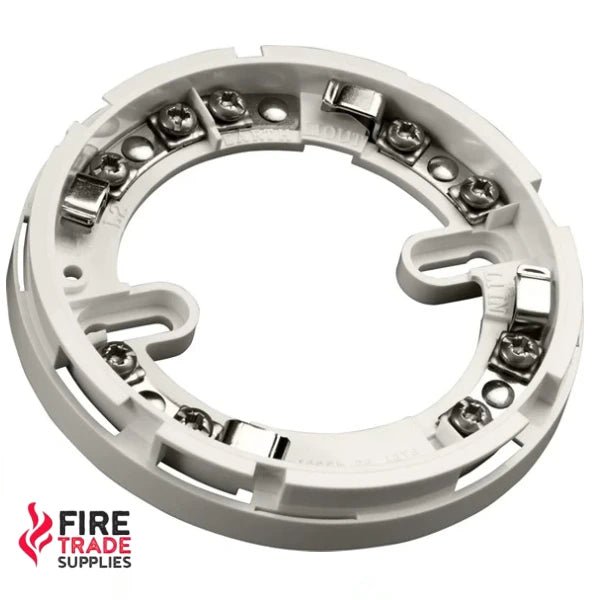
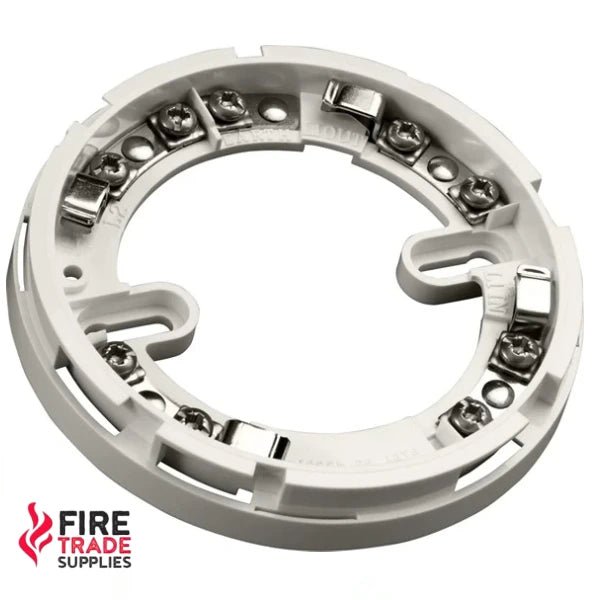
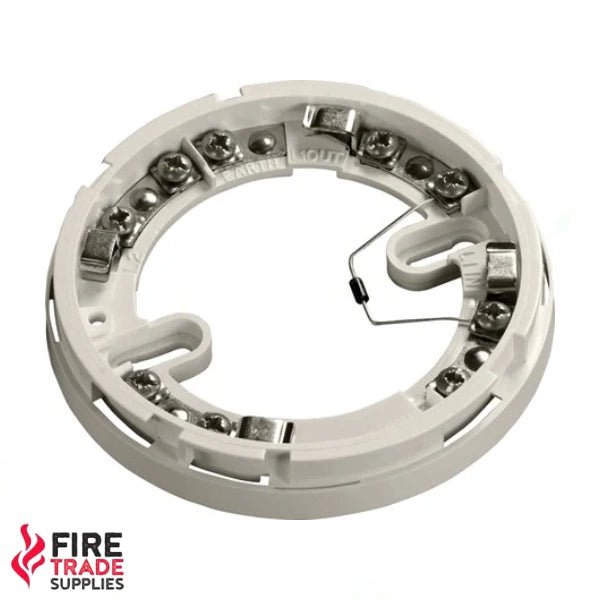
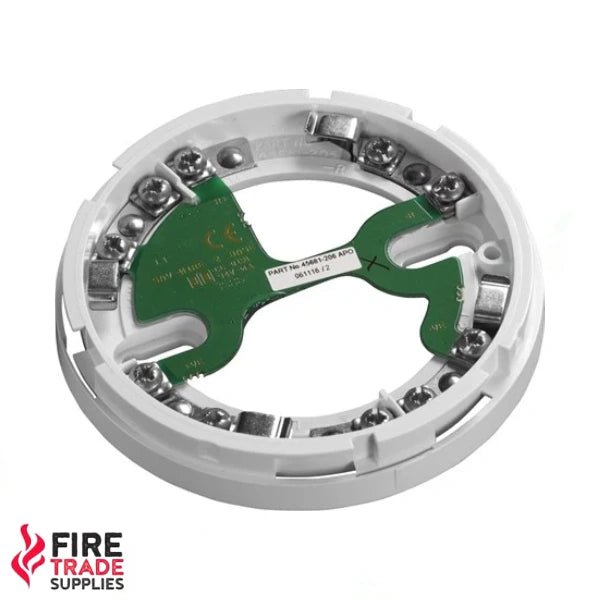
The Apollo Series 65 is a widely used range of conventional fire detectors, designed for reliable fire detection in commercial, industrial, and residential environments. The range includes smoke detectors, heat detectors, and compatible bases like the Apollo Series 65 Detector Base with Head Removal Diode.
2. What's the difference between Apollo Series 65 smoke and heat detectors?
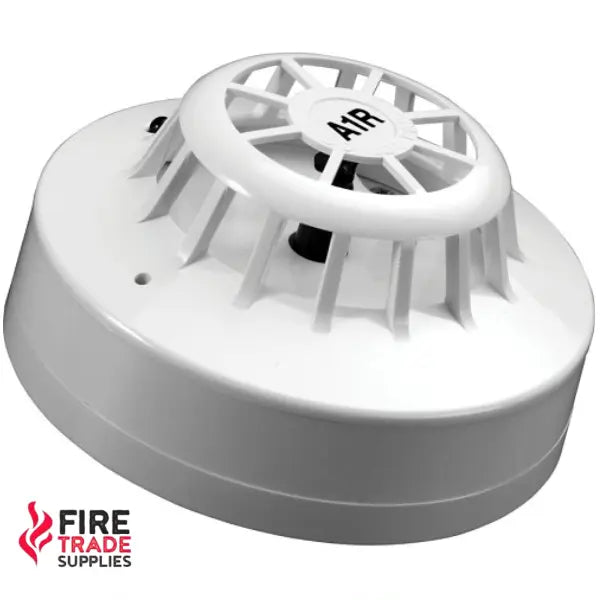
Heat detectors (such as the 55000-122APO A1R Heat Detector) respond to increases in temperature or fixed temperature thresholds.
Tip: Use heat detectors in areas where smoke may be present due to normal activity, like kitchens or garages.
3. What types of Apollo 65 smoke detectors are available?
We stock several types of Apollo 65 smoke detectors, including:
Standard Optical Smoke Detectors
Optical Smoke Detectors with Flashing LED
Optical Smoke Detectors with Magnetic Test Switch
Each model complies with EN54-7 and is suitable for general applications, corridors, and bedrooms.
4. Which Apollo 65 heat detector should I choose?
The right heat detector depends on your environment:
Use A1R models for general spaces with stable ambient temps.
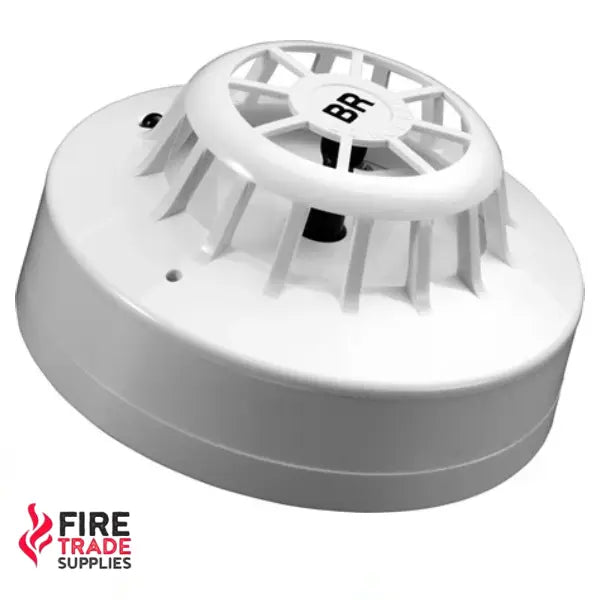
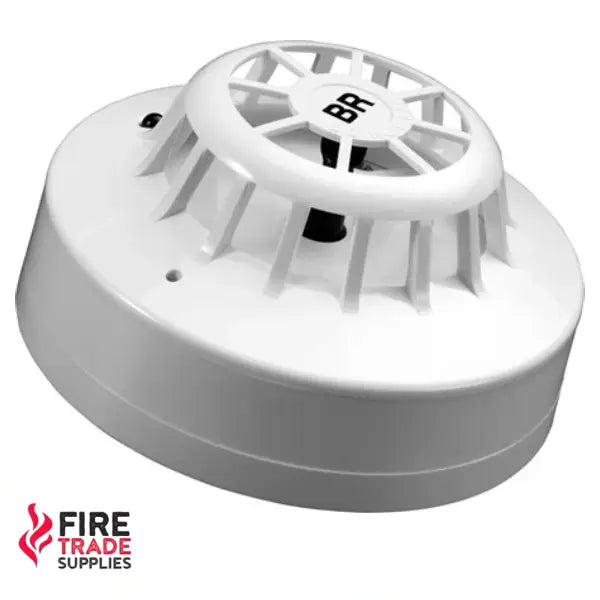
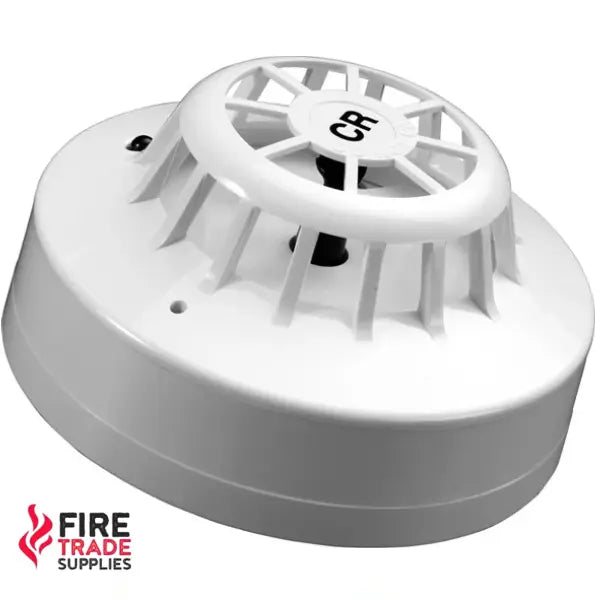
Choose BR or CR models for dusty or fluctuating temperature areas.
Select CS models for locations with consistent high ambient heat.
5. Are Apollo Series 65 detectors compatible with my existing fire panel?
Yes, the Apollo Series 65 range is designed to be compatible with most conventional fire alarm panels, making them suitable for retrofits or system expansions.
6. What does the ‘flashing LED’ feature mean?
Detectors such as the Apollo Series 65 optical smoke detector with flashing LED include a visual indicator that pulses or flashes when in alarm or test mode. This is useful in noisy environments or for accessibility purposes.
7. Can I use Apollo Series 65 in a mixed system with smoke and heat detectors?
Absolutely. The Apollo s65 system allows for mixed installations. You can deploy both smoke and heat detectors within the same loop using universal bases.
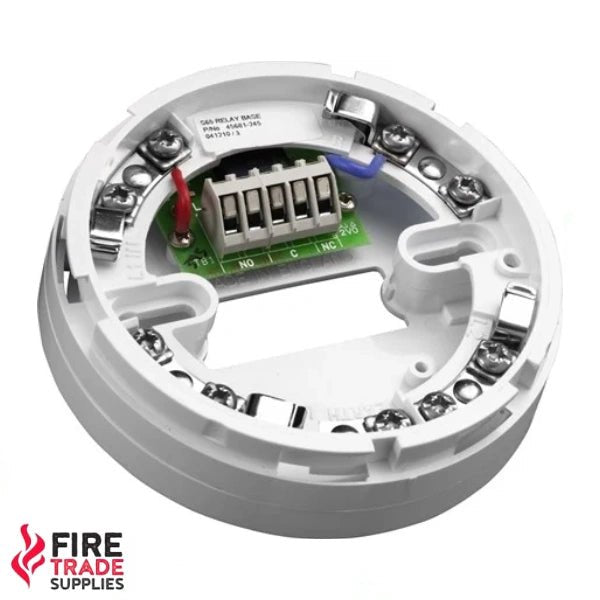
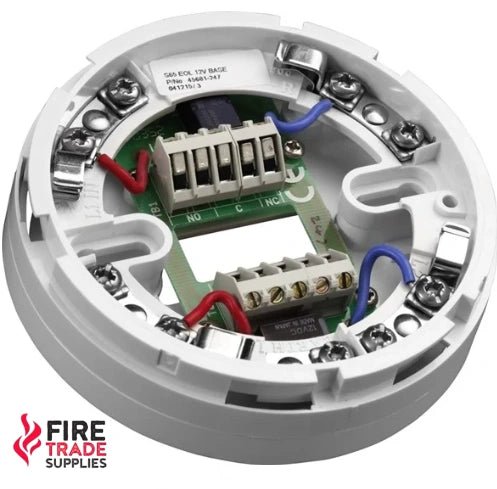
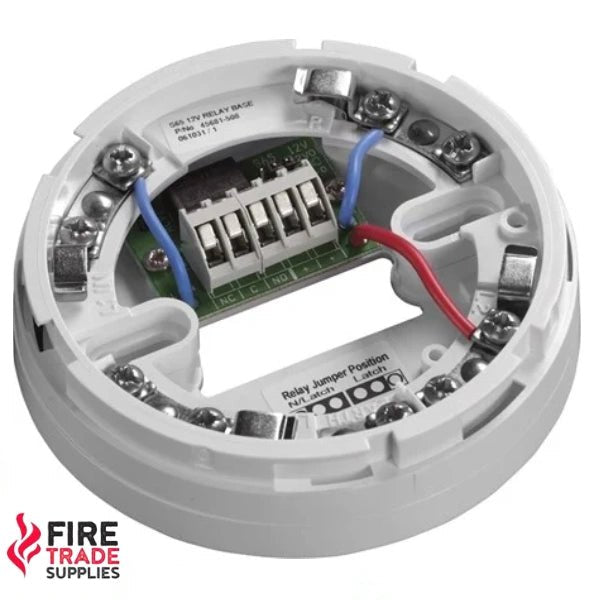
8. What accessories are compatible with Apollo Series 65?
Yes, detectors like the Apollo optical smoke detector series 65 with magnetic test switch are designed for easy, manual testing. This reduces the need for expensive tools and improves routine maintenance efficiency.
12. What are the alternatives to the Apollo Series 65 range?
If you’re looking for addressable solutions or more advanced features, consider exploring:




![55000 - 019APO Conventional Flame Detector (IR3) [SIL2] - Fire Trade Supplies](http://www.firetradesupplies.com/cdn/shop/files/55000-019apo-conventional-flame-detector-ir3-sil2-826990.png?v=1747189178&width=600)

![55000 - 064APO Conventional Flame Detector (UV/IR2) [SIL2] - Fire Trade Supplies](http://www.firetradesupplies.com/cdn/shop/files/55000-064apo-conventional-flame-detector-uvir2-sil2-261739.png?v=1746234049&width=600)