








Recently viewed
Fire Alarm Testing Kit FAQs
There is no single licence required to carry out basic fire alarm testing, but the person responsible must be competent and understand how the system operates. In commercial environments this is typically a trained fire alarm engineer or maintenance provider, while in smaller premises the “responsible person” may carry out routine checks if they have been properly instructed. More advanced testing, commissioning or fault diagnosis should always be handled by qualified professionals.
Proper testing involves activating a detector or call point using the correct equipment to confirm the alarm triggers, signals transmit and sounders operate as expected. Testing should be controlled, documented and carried out without contaminating detectors or causing unnecessary disruption. Professional fire alarm testing kits are designed to simulate real conditions safely and ensure accurate results.
Yes. Fire alarm systems must be maintained and tested to ensure they remain operational, particularly in workplaces, HMOs and commercial premises. UK fire safety legislation places responsibility on the duty holder or “responsible person” to ensure life safety systems are regularly inspected and functioning correctly.
The “0.7 rule” generally refers to detector spacing guidance in fire alarm design, where coverage areas are calculated using 0.7 times the stated detector radius to ensure adequate protection. It is not a testing rule but a design principle used to position detectors effectively so they respond to fire conditions as early as possible.
Routine testing can be carried out by a competent person familiar with the system, such as a facilities manager or responsible person. However, professional servicing, fault investigation and compliance inspections should be completed by trained fire alarm engineers with the correct equipment and experience.
Recent updates to UK fire safety legislation and guidance have increased expectations around maintenance, documentation and system reliability, particularly in residential buildings and higher-risk premises. Responsible persons must ensure alarms are appropriate for the building, regularly tested and properly maintained in line with current standards and risk assessments.
Costs vary depending on building size, system complexity and whether testing is part of an ongoing maintenance contract. Routine checks may form part of scheduled servicing, while standalone inspections or engineer callouts will typically cost more. Investing in proper testing equipment can reduce long-term maintenance costs by improving efficiency and consistency.
Testing frequency depends on the type of building and system, but regular checks are expected to ensure continued operation. Weekly user checks and periodic professional inspections are commonly recommended to confirm detectors, sounders and control equipment respond correctly.
In simple premises, the responsible person may complete a fire risk assessment if they are confident in identifying hazards and evaluating risk. In more complex buildings or higher-risk environments, professional assessors are often recommended to ensure compliance and accurate evaluation of life safety requirements.
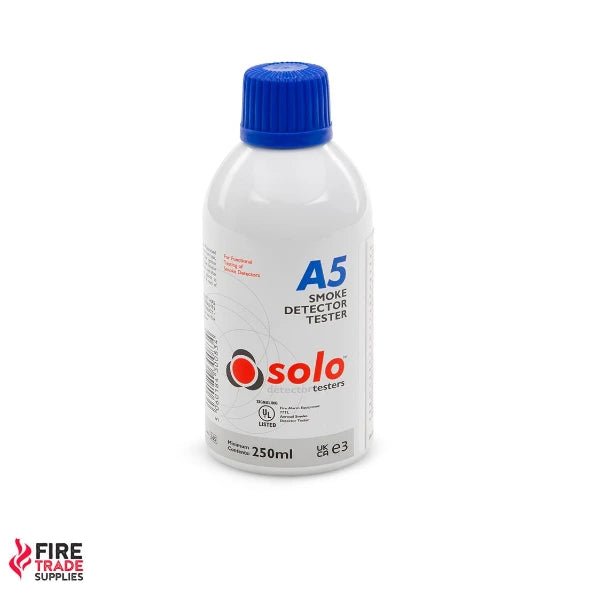
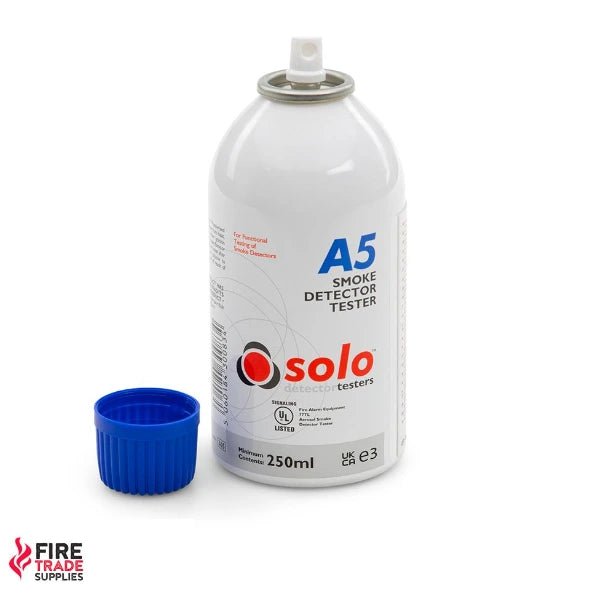
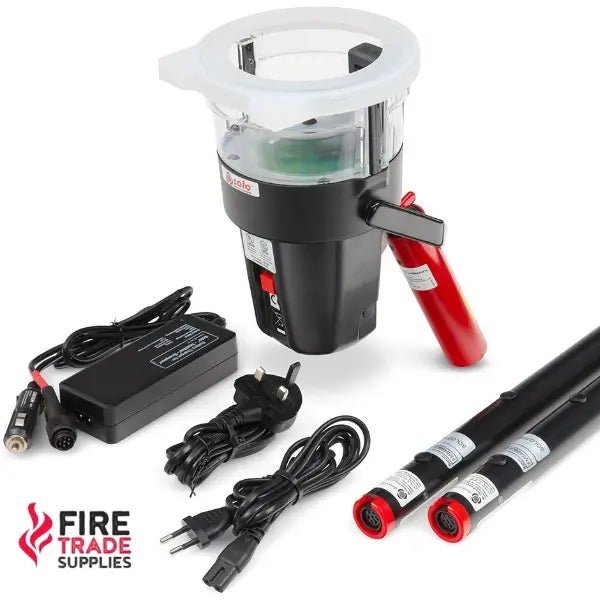
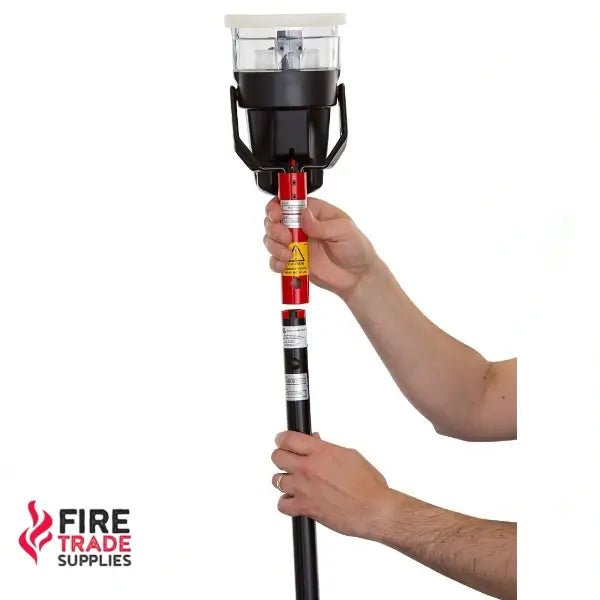
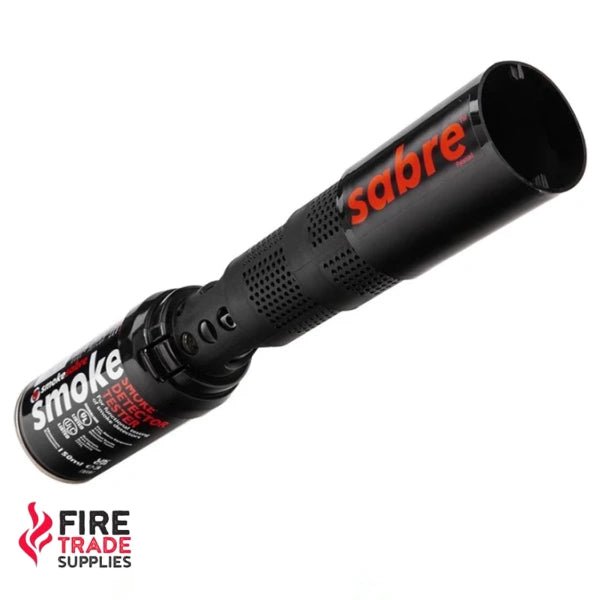
The safest approach is to use purpose-built testing equipment that introduces controlled smoke stimulus without contaminating the sensing chamber. Using household methods or improvised tools can damage detectors or lead to inaccurate test results.
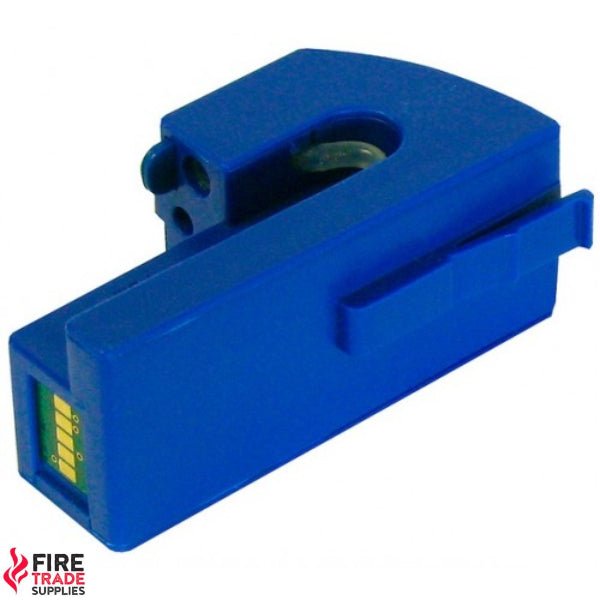
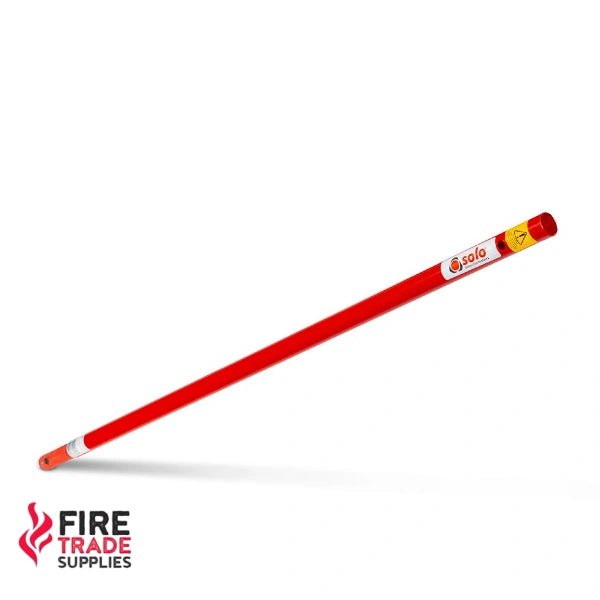
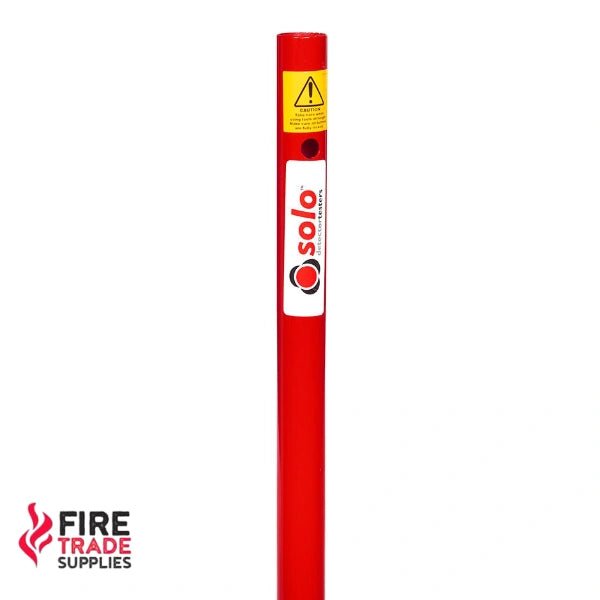
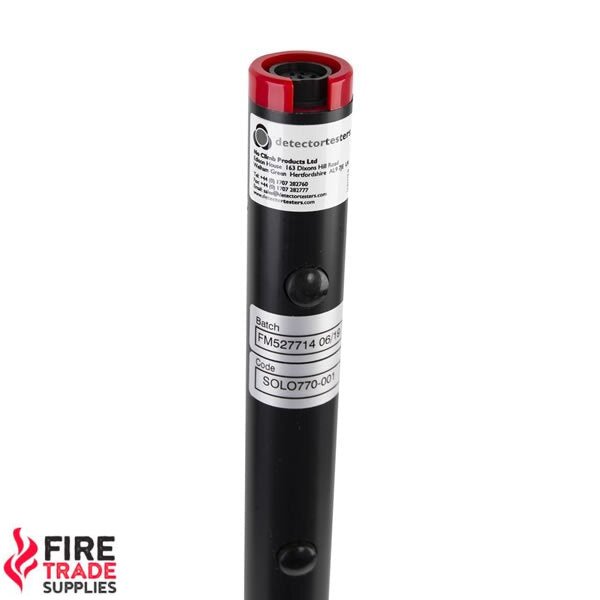
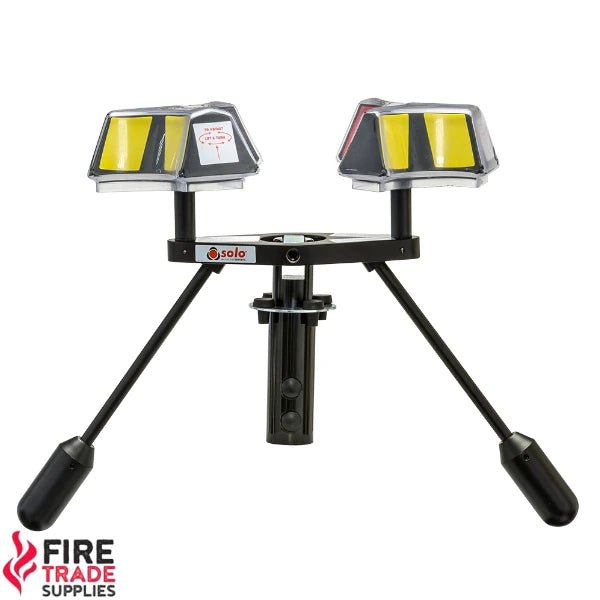
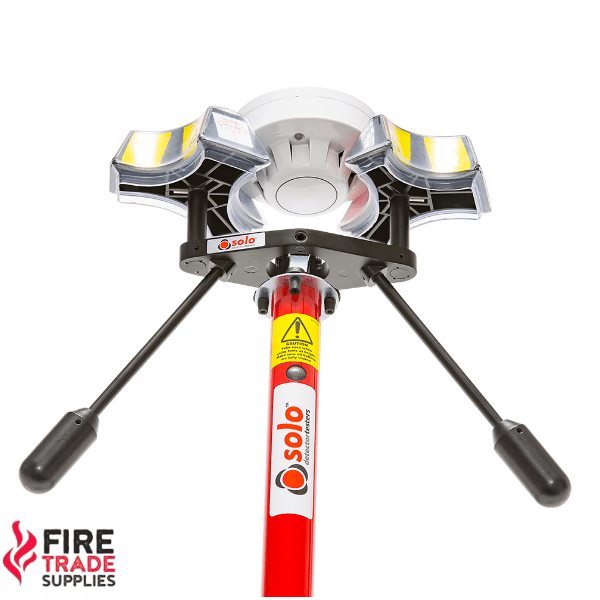
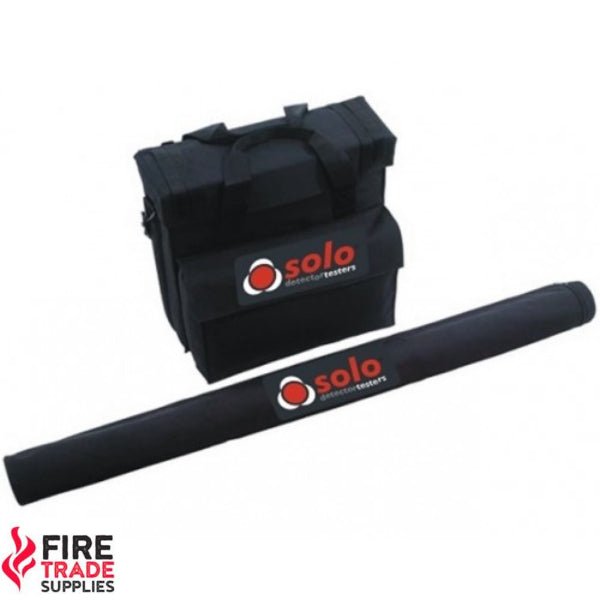
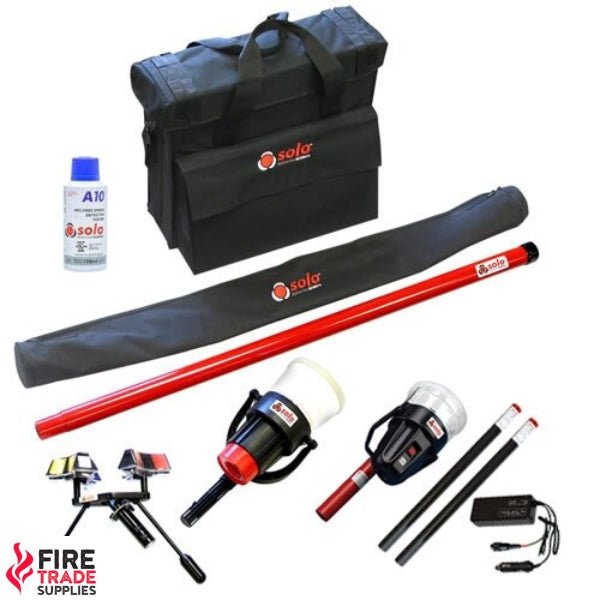
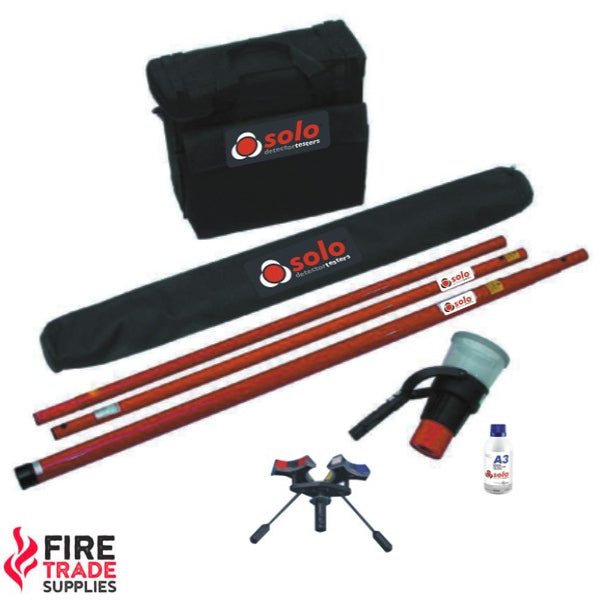
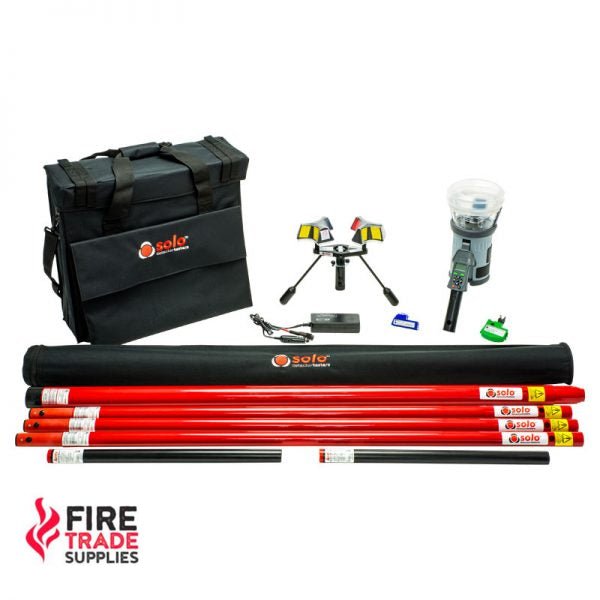
Proper testing usually requires a combination of detector testing heads, access poles and stimulus delivery tools such as smoke aerosols or heat activation devices. Using the correct configuration ensures detectors respond accurately and consistently.
The time required depends on the size of the building, number of devices and access conditions. Small systems may be tested quickly, while larger commercial environments require structured, methodical testing programmes.
Still Have Questions?
If we still haven't answered your question, you can contact us below and we will get back to you as soon as possible.