



What Is an Aspirating Smoke Detection System?
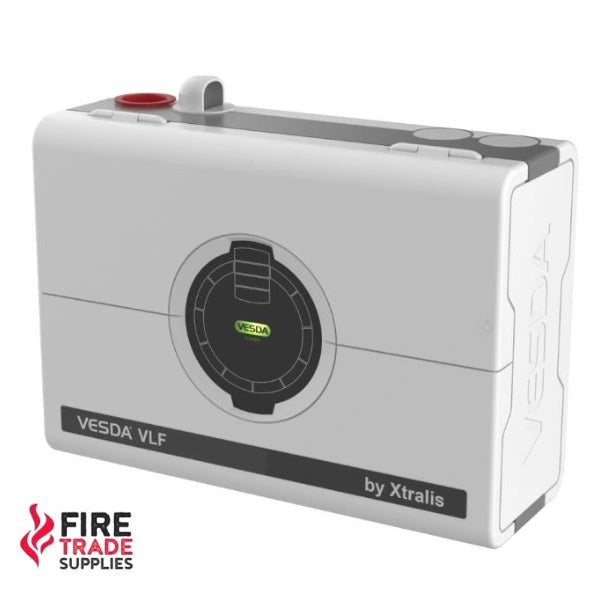
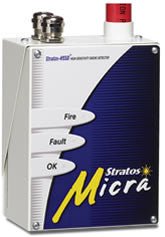
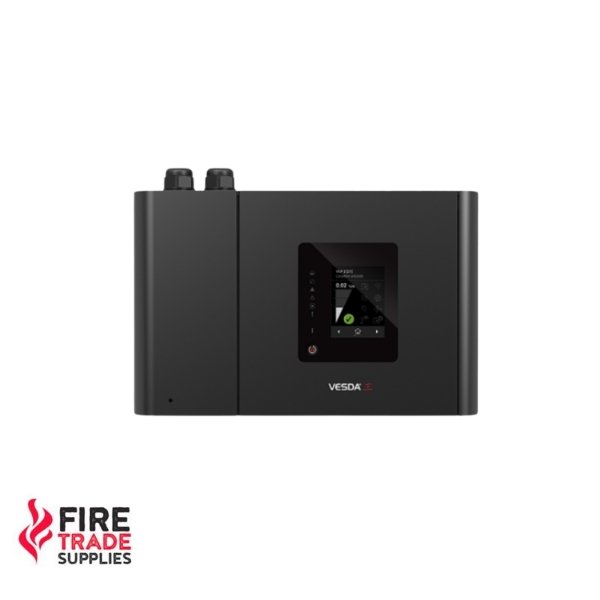
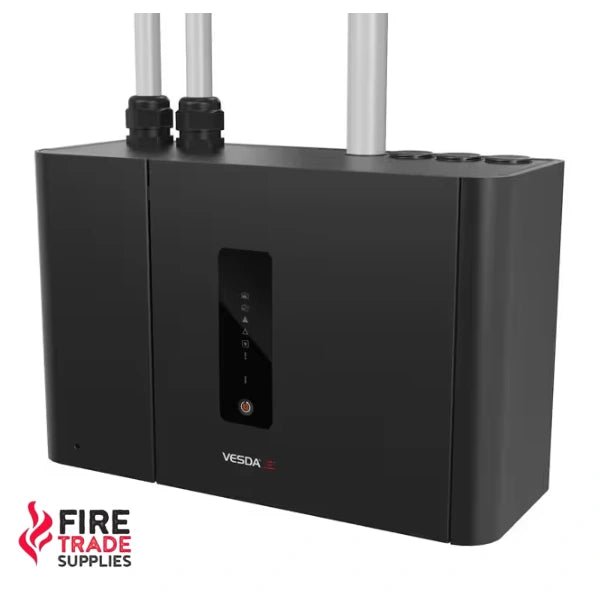
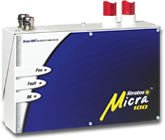
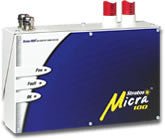
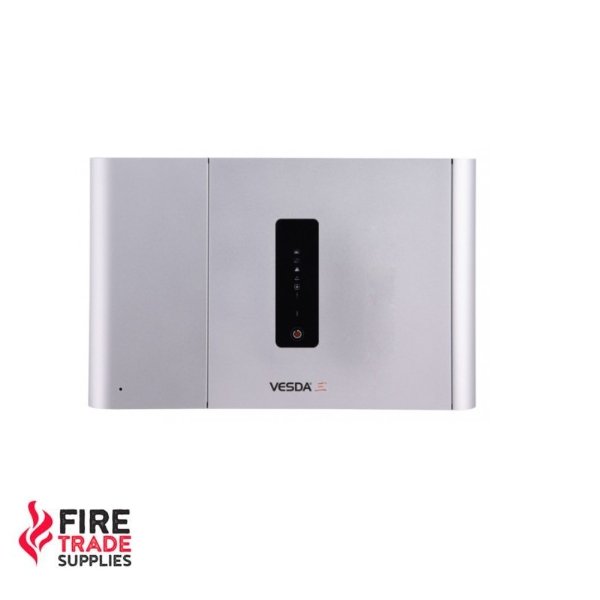
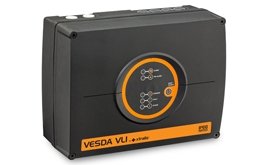
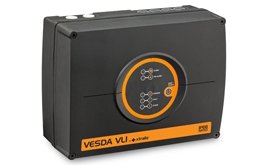
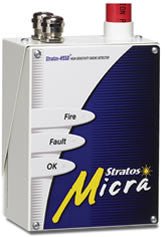
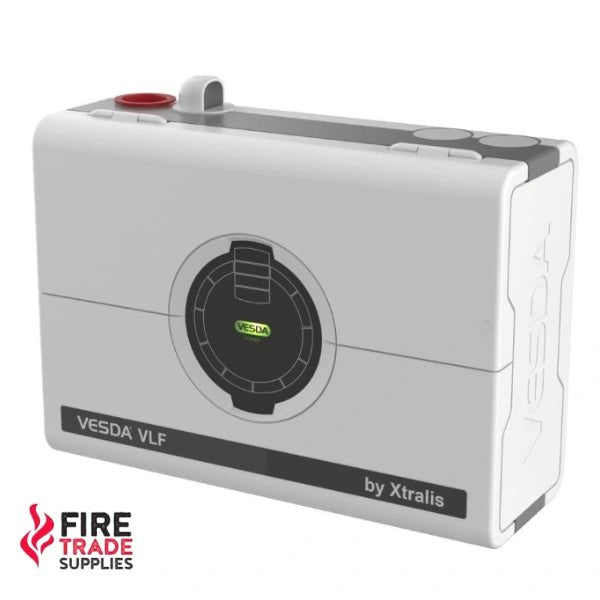
An aspirating smoke detection system (ASD) is a highly sensitive fire alarm aspiration system that continuously draws air from a protected area through a network of small-bore sampling pipes. The sampled air is transported to a central aspirating smoke detector unit, where it is analysed using advanced optical or laser-based detection technology capable of identifying extremely low concentrations of smoke particles.
Unlike conventional point smoke detectors that rely on smoke rising naturally to a ceiling-mounted device, an aspirating smoke detection system actively samples air from multiple locations. This enables much earlier fire detection, particularly in large, high-airflow or temperature-controlled environments where traditional detection methods may respond more slowly.
An aspirated fire detection system may also be referred to as:
-
Aspirating smoke detection
-
Aspiration smoke detection
-
Smoke aspiration system
-
Air aspiration system
-
Fire alarm aspiration system
While terminology varies, all describe the same principle — continuous air sampling combined with high-sensitivity smoke analysis to provide enhanced early warning performance.
How Aspirating Smoke Detectors Work
Aspirating smoke detectors operate using three core components:
1. Air Sampling Pipework
A network of aspirating pipework (sometimes referred to as ASD pipe) is installed throughout the protected space. Small sampling holes allow air to be continuously drawn into the system.
2. Detection Unit
The central aspirating smoke detection system contains a high-sensitivity detection chamber that analyses the sampled air for smoke particles.
3. Alarm Integration
When smoke levels exceed preset thresholds, the aspirating fire alarm system activates and sends a signal to the fire alarm control panel.
This process allows aspirating smoke detection systems to provide staged alerts, from early warning levels through to full fire alarm activation.
Where Are Aspirating Systems Used?
Aspirating systems are typically installed in environments where early detection is critical or where standard point detectors may not perform effectively.
Common applications include:
-
Data centres and server rooms
-
Warehouses and high ceiling spaces
-
Cold storage facilities
-
Clean rooms and laboratories
-
Telecoms infrastructure
-
Heritage buildings and museums
-
Industrial production areas
Because aspirating smoke detection systems actively sample air, they are particularly effective in high airflow or temperature-controlled environments.
These environments often require specialist maintenance procedures supported by professional fire alarm testing equipment.
Aspirating Smoke Detection vs Standard Smoke Detectors
Traditional smoke detectors rely on smoke rising to a ceiling-mounted device. In large or ventilated spaces, this can delay detection.
An aspirating smoke detection system actively draws air from multiple sampling points to a central detector, enabling:
-
Earlier warning
-
Increased sensitivity
-
Greater coverage flexibility
-
Reduced false alarms in complex environments
For facilities where downtime is costly or safety risks are high, aspirating smoke detectors provide a more advanced detection solution.
Components of an Aspirating Fire Alarm System
A complete aspirating fire alarm system may include:
-
Aspirating smoke detector units
-
Sampling pipe networks
-
Capillary sampling points
-
Filters and airflow monitoring
-
Interface modules for fire alarm panels
Selecting the correct aspirating smoke detection system depends on building size, airflow conditions, ceiling height and required detection sensitivity.
Aspirating Smoke Detector Price & System Selection
The cost of an aspirating smoke detector or complete aspirating smoke detection system depends on:
-
Required sensitivity class
-
Size of protected area
-
Pipework configuration
-
Integration requirements
-
System complexity
For larger facilities, a full aspirated fire detection system may be required, whereas smaller installations may only require a single aspirating smoke detector unit.
If you are unsure which aspirating system is suitable for your project, specialist advice is recommended to ensure correct design and compliance.
Why Choose Aspirating Smoke Detection?
Aspirating smoke detection systems are selected where reliability, early warning and performance consistency are essential.
Key advantages include:
-
Ultra-early detection capability
-
Continuous active air sampling
-
Suitable for challenging environments
-
Scalable system design
-
Integration with fire alarm aspiration systems
For critical infrastructure, aspirating smoke detectors offer a higher level of protection compared to conventional point detection methods.
Recently viewed
Vesda FAQ's
An aspirating smoke detector (ASD) is a highly sensitive fire detection system that draws air continuously through a network of small pipes. The sampled air is analysed in a central detection unit for smoke particles, allowing fires to be identified at the very earliest stage — often before they are visible.
Beam detectors project/receive a light beam across a space and alarm when smoke obscures the beam (line-of-sight device). ASD draws air through pipes to a detector for analysis—no line-of-sight needed and typically much higher sensitivity for very-early warning.
Very early smoke detection aspiration refers to the ability of ASD systems like VESDA to identify smoke particles at the incipient stage of a fire, often before they are visible to the human eye. This provides valuable time for investigation and intervention.
Transport time is the length of time it takes for air to travel from the sampling point through the pipework to the detection chamber. Short transport times (typically a few seconds) are critical to ensure early warning performance.
The two main types are:
Point-type detectors (ionisation or optical), mounted on ceilings.
Specialist detectors, such as beam detectors or aspirating smoke detection systems, designed for larger or more complex environments.
Signs include frequent false alarms, failure to respond to test smoke, warning lights or error codes on the unit, or visible dust build-up. In aspirating systems, reduced airflow or clogged pipework can also indicate issues.
Aspirating smoke detectors are ideal in environments where very early detection is required, or where traditional detectors may be unsuitable. Common scenarios include high-ceiling spaces, dusty or humid areas, mission-critical sites, and locations where rapid evacuation is difficult.
The small-diameter sampling pipe (ASD pipe) used to draw air from the protected area to the detector. Correct hole size/spacing and total pipe length are engineered during design to meet sensitivity/transport-time targets.
A fan/pump pulls air from the protected area through ASD pipework into a detection chamber. The air is filtered to remove dust, then optical sensors measure very low smoke concentrations and signal graded alarms.
It describes active, continuous air sampling to detect minute smoke particles at the incipient stage—giving time to investigate before escalation. VESDA systems are designed for this level of sensitivity.
An air sampling system is another term for aspirating smoke detection, referring to the process of drawing and analysing air for early smoke detection.
Still Have Questions?
If we still haven't answered your question, you can contact us below and we will get back to you as soon as possible.